 ere’s
wishing your spring season has started out green and great. Hope
the ice storm we
had did not do too much damage on your land. The rain certainly
has been welcomed and we should look forward to a beautiful blooming
spring.
ere’s
wishing your spring season has started out green and great. Hope
the ice storm we
had did not do too much damage on your land. The rain certainly
has been welcomed and we should look forward to a beautiful blooming
spring.
Of course, in order to encourage the wildflowers to bloom, we must try to refrain from mowing the lawn too close to the blooming season. Early March should be the last mowing season till the flowers are spent.
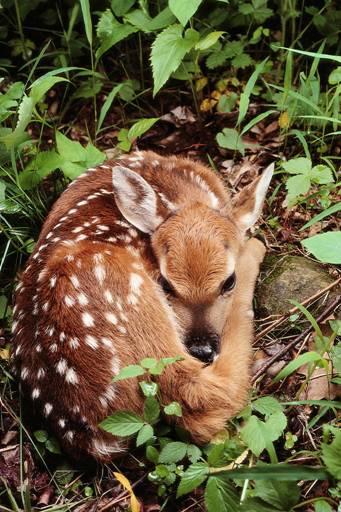
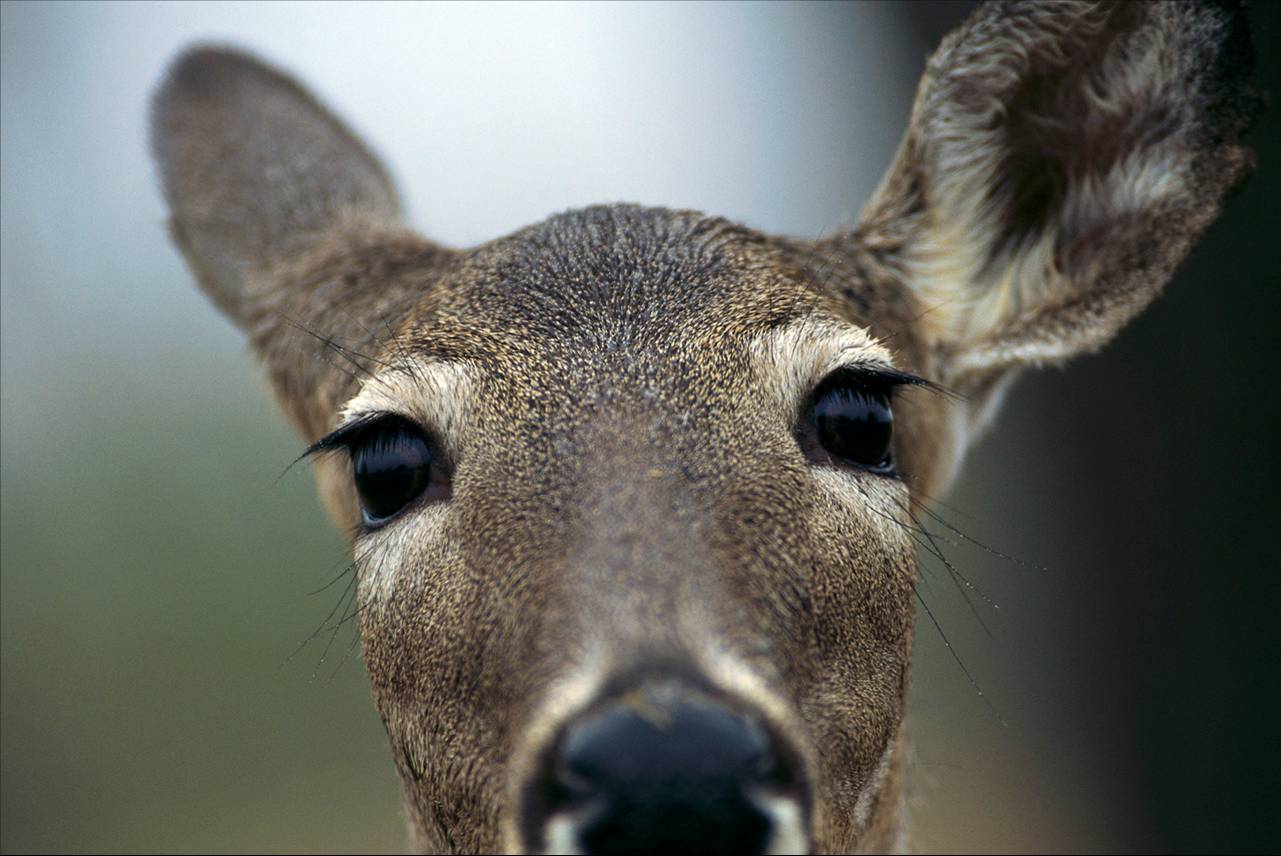
Unfortunately, the deer do like to browse on the broadleaf plants that are oftentimes our favorite bloomers, but hopefully our neighborhood will have enough for them to browse and for us to enjoy.
Speaking of deer, I hope you had a chance to read the article on the imbalance of deer per acre of land, by Rufus Stephens. You’ll find the article at: http://www.cibolo.org/NatureNotes/natnotes.htm
Rufus Stephens, the area Wildlife Biologists, does say that if you must feed deer, protein pellets are much healthier for them than corn. Corn is like sugar candy to the deer and offers no nutritional sustenance to their diets. Feeding corn to deer also creates a burden on the few broadleaf plants, forbs and shrubs in the surrounding areas, because deer will not wonder too far from the candy source. Of course, putting protective wire mesh fencing around any and all your young seedlings always helps.
Finally, what to do with the broken branches brought down by the ice storm. Well, what is not used for firewood and kindling can be added to a compost pile. I’m not advocating that you build a compost heap at high as the one burning on the northwest side of San Antonio, but a smaller one will do.
One type is like the ones found at the Cibolo Nature Center. The have pounded some re-bar stakes into the ground, forming a square about a yard wide on each side and wrapped a netting around it. I would suggest chicken wire, and at least tall enough to keep the deer from eating the scraps. My compost pile is made up of only oak leaves and vegetable or fruit peels. It is low, so the deer do love the fruit and vegetable scraps.
Another reason to try a compost pile is to make use of the leaves that are raked, although, raking leaves is not necessary in order to have a healthy lawn. The preferred method is to refrain from raking the leaves so they feed the grass. But, if you must rake, compost.
If you are really
serious about learning the proper method of composting, a Google search
will
get you tons of information. Dave Garrett, known
as the Dirt Doctor has good information on composting, but you have to
pay for his information. Another source is Texas A&M Extension websites.
Check out their information on “Composting Fundamentals” at: http://extension-horticulture.tamu.edu/extension/compost/chapter2.html and
the section titled: “Building and Maintaining a Compost Pile” http://extension-horticulture.tamu.edu/extension/compost/chapter4.html
For any questions on developing a wildscape on your place, email me at: srobbins@gvtc.com
This is a free service provided for the residents of Silver Hills.
Liz